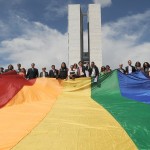
LGBTQI Rights and Brazil’s Presidential Election
Controversy and the necessity to go beyond elections
For the first time in Brazil’s recent democratic history, which began in 1984 after the country’s twenty-one-year long dictatorship ended, the LGBTQI rights have appeared as the main controversial topic in this year’s presidential election. In the space of two weeks during the election first round, the topic got more attention and at a broader length than perhaps it has had previously in any of the eight democratically elected governments of the past. …
What Changes and What Remains the Same in Brazil
The electoral setting vs. the political-institutional setting in the 2014 presidential election
Until recently, candidate Eduardo Campos was playing a supporting third-place role in the Brazilian presidential race. His tragic death in a plane crash has revolutionized the Brazilian electoral setting, where the first round of presidential elections is scheduled for October 5, 2014. Despite this change, and the consequent rise of Marina Silva, the political-institutional setting remains unchanged in the country, regardless of what will be the outcome of elections.
Brazil, the largest democracy in Latin America, has been undergoing one of the most hotly contested presidential elections of its recent history. This intensity is due to an unusual event: the death of the third place candidate Eduardo Campos (PSB, Brazilian Socialist Party) in a tragic plane crash on August 13. …