CapitalismEssays

Platform Cooperativism vs. the Sharing Economy

The backlash against unethical labor practices in the “collaborative sharing economy” has been overplayed. Recently, The Washington Post, New York Times and others started to rail against online labor brokerages like Taskrabbit, Handy, and Uber because of an utter lack of concern for their workers. At the recent Digital Labor conference, my colleague McKenzie Wark proposed that the modes of production that we appear to be entering are not quite capitalism as classically described. “This is not capitalism,” he said, “this is something worse.”[1] …

READ MORE →
CapitalismEssaysTheory & Practice

The Creative Class Rises Again

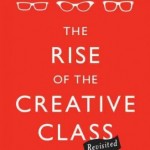
When first published in 2002, The Rise of the Creative Class quickly established its author Richard Florida as an urban policy and business management guru. The Rise of the Creative Class heralded the emergence of a new class of worker who promised to lead the economy, and along with it the rest of society, to unprecedented levels of prosperity. The creative class, according to Florida, included scientists, engineers, artists, designers, media producers, and others whose primary function is “to create new ideas, new technology and/or creative content.” They are abetted in this endeavor by a whole host of high-level information workers—doctors, lawyers, accountants, educators, and the like—who draw upon complex bodies of knowledge to solve difficult problems that require high degrees of autonomy. To mark a decade of influence, the book was re-released in 2012 in a substantially updated version, The Rise of the Creative Class, Revisitednow out in paperback. …

READ MORE →
CapitalismEssaysMedia/Publics

Jonathan Crary’s 24/7: Late Capitalism and the Ends of Sleep

When I was a kid in the 1960s one of the big questions I remember being tossed about was what to do with all of the free time that modern society would afford us. That there would be a virtually unlimited horizon of material abundance and thus leisure, and how best to use it, was a topic of talk in the media and at dinner. Year after year, union contracts (back when there were such things) negotiated increasingly generous benefits, including substantial time off from work. John Kenneth Galbraith’s 1958 classic The Affluent Society set the terms of the conversation early on by challenging Americans to muster the country’s broadly experienced largesse, made possible by the productive capacity of modern mass manufacturing, to serve the larger social good. Lyndon Johnson’s Great Society was subsequently founded on the notion that widespread wealth, and along with it leisure, were faits accompli…

READ MORE →
Arts & DesignLetters

How to Beat Writer’s Block

Try these games to unblock the flow, or direct it somewhere new.

READ MORE →