Solidarity with Ukraine against Putin’s Reality
We should not be surprised by differences about how to respond to the Russian invasion of Ukraine. Understanding reasons for those differences is one critical step toward formulating an effective response. Recognizing both real policy options and the equal importance of political signals is the second. Moving too fast is dangerous in the short run, but not moving at all is the most dangerous in the long run. And that’s what Germany’s leadership promises.
We should not be surprised that the authorities of Germany, the Netherlands, France, Italy and Spain explicitly resist calls for trade sanctions. Leaderships in Austria and Hungary are likely with them. London seems more concerned with its financial prospects than European well-being. Putin has been pursuing a policy of diplomatic divide and conquer within the EU, sweetened with economic deals powered by the energy business. …
EuroMaidan Politics
Friends and Enemies in Ukraine
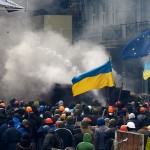
“The following video contains graphic content, which may be disturbing for some viewers,” says NYTimes.com about a video of the protests in Ukraine. Yes, politics — if by “politics” we do not mean debates of “experts” and TV celebrities who represent political parties — is disturbing, and not only in Ukraine.
Yet, in Ukraine, politics has come back. Hundreds of thousands of people have been on the streets for two months already protesting the government. What started in November 2013 as a protest against President Viktor Yanukovych’s decision not to sign the Association Agreement with the EU has very quickly turned into a protest against the entire regime, the whole system of power from the President to a local police officer.
The first violence used against the protesters on November 30 showed that the government hates to see the faces of those who do not like it. After two months of mass protests, …