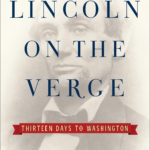
The Foiled Confederate Coup of 1861
An interview with historian Ted Widmer about his new book, “Lincoln on the Verge”
Toppling Andrew Jackson From His Pedestal
A racist who championed ethnic cleansing
Protestors Aren’t Destroying History, They Are Recasting It
When monuments to racism, slavery, and empire come down, new possibilities rise up
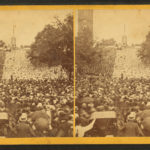
The Last Monday in May
There are no parades, no baseball games, no parties, and we stay home all the time anyway: why should we care that it is Memorial Day?
A Letter from the Valley of the Fallen
Spain wrestles with its Franquista past
Monuments to Men
An Interview and Epilogue to Birthright Citizens: A History of Race and Rights in Antebellum America
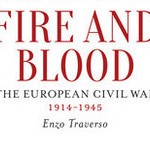
Book Presentation: Fire and Blood
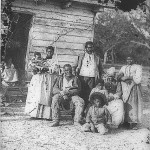
Slaves: The Capital that Made Capitalism
A re-post
This post, adapted from a lecture in the team-taught course "Rethinking Capitalism" at The New School for Social Research and first published last year, is being reposted today to provide critical insight into today's headlines. Slavery was central to the development of the American political economy. Ott reviews the recent ...
Actually Essential Reading About the Confederacy
Understanding the historical context of the massacre in Charleston and the debate about the Confederate battle flag
The massacre at the Emanuel AME Church in Charleston and the subsequent debate about the Confederate battle flag have sent Americans scrambling for historical context. The shortlist of introductory readings on the Confederacy recommended by John Williams in the New York Times ArtsBeat, however, is an embarrassing ...
Slaves
The capital that made capitalism
Racialized chattel slaves were the capital that made capitalism. While most theories of capitalism set slavery apart, as something utterly distinct, because under slavery, workers do not labor for a wage, new historical research reveals that for centuries, a single economic system encompassed both the plantation ...