Social Research on Exile

Banishment, “refugeedom,” and the political problem of our time

In the latest issue of Social Research (Vol. 92, No. 1), scholars explore the nature of exile. Some essays reflect on exile forced by war and political persecution, others on the difference between being an exile and being a refugee. TABLE OF CONTENTS Avishai Margalit, "Internal Exile and Politics"This essay has two ...
Read More
<em>Social Research </em>on Exile

Documenting the City of Refugees

An interview with Susan Hartman on her new book about Utica’s transformation by refugees

I wanted to put in perspective what these refugees had gone through, what the countries they left had gone through, what the refugee camp experience was like. So, there is this part where I talk about when they were each on the run: it is very traumatic material and this ...
Read More
Documenting the City of Refugees

Different People

After fleeing war-ravaged Kharkiv, many have found refuge and hospitality in Poltava. How does it feel to be an internally displaced person in one’s own city of birth?

The displaced can be recognized by their backpacks and the plastic bags they’re carrying, filled with humanitarian aid. Also, by their rapid pace. The displaced move fast: from explosion to explosion. ...

Read More
Different People

Can Refugee Scholars Hold the Line?

Why the theoretical line that separates forced migrants from other persons on the move may not be sustainable

_____ My title doesn’t refer to whether refugee scholars should help others fend off attacks from governments and populist parties that are intent on destroying the international protection regimes we study. Most of us are already so engaged. Rather, I am asking a conceptual question about the nature of refugee scholarship: does ...
Read More
Can Refugee Scholars Hold the Line?

Muscovite

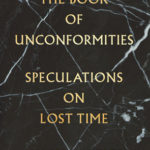
An excerpt from “The Book of Unconformities: Speculations on Lost Time”

During the years I was writing this book, my mother began to lose her memory, or, as she often said, she started “getting stupid.” I traveled frequently to London at this time, and on one of these trips visited the house in Belsize Park in which Sigmund Freud spent the ...
Read More
Muscovite

On Refugees and Innocence

Innocence is now the key qualifier for someone who claims to be a refugee. Paradoxically, as part of this moralized regime, innocence is also claimed by those who grant asylum. The qualification that refugees must be seen as innocent can change their fate at different points. Those requesting asylum may ...
Read More
On Refugees and Innocence

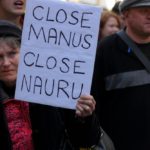
From Offshore Detention of Refugees to Indigenous Incarceration

Well before this crisis, conditions in Australia’s offshore camps were described as “torture” by medical professionals, Amnesty International, and refugees themselves. Médecins Sans Frontières reported “catastrophic effects on …mental health” that are “among the worst that MSF has ever seen.” Twelve refugees have died while held offshore. Benham Satah, a Kurdish refugee who witnessed ...
Read More
From Offshore Detention of Refugees to Indigenous Incarceration

The Epistemology of the Refugee: 30 Years after Zolberg

Introduction to the Zolberg Institute Special Issue

Zolberg, Suhrke, and Aguayo’s analysis is centered around the question who is recognized as a refugee -- still a contested issue in today’s public discourse, as people arriving at the southern U.S. border are alternatively categorized as “refugees” or “economic migrants.” Although the majority of migrants at the southern border ...
Read More
The Epistemology of the Refugee: 30 Years after Zolberg