Barbarism or Barbarism?

Timothy Morton proposes an ecology without nature. In Molecular Red I thought it made more sense to think a nature without ecology, as nature is the more capacious and historically variable term, whereas a logos of the oikos – ecology – is precisely what can no longer be said to ...
Read More
Placeholder

The Paris Climate Deal: Just Words?

Or just enough to move the earth?

As the world leaders read through endless scripted statements about making history and saving the planet for our children, environmental critics were already denouncing the Paris climate deal as a fraud. It is not difficult to see why. First, the deal contains no legal obligations for countries to cut ...

Read More
Placeholder

Against “Charm”

The Uses of Autobiography for Philosophy

Moreover, how other philosophers lived and died is not the most important thing about them either: while life and work are inseparable, the latter takes pride of place. Heidegger went too far in saying that all one needs to know about Aristotle, for philosophical purposes, was that he lived, then ...
Read More
Placeholder

Designing the Humanities

A response to Benjamin Evans

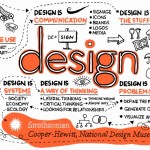
Steampunk, cosplay, food trucks, mumblecore, anti-perfumes, and World of Warcraft, plus typography and class differentiation at the mall; Apple and value; True Blood and queer brand communities; Campus architecture and science fiction; Place-making and foodways in a Filipino restaurant chain: These are some of the topics that students developed in their final research papers in courses ...
Read More
Designing the Humanities

For the Last Time: “The West”

Revisiting the myth of the clash of civilizations

As information about the attacks in Paris, which left at least 128 people dead, gradually unfolds, I feel overwhelmed and disturbed. I am overwhelmed by the quantity of affective response to which I add my own grief, but I am also deeply disturbed by the way in which ...

Read More
Placeholder

Anthropocene Denial Bingo

“We’re fucked. The only question is how soon and how badly.” (16) This is the refreshingly candid way Roy Scranton starts his small, intense book, Learning to Die in the Anthropocene (City Lights Books, 2015). For Scranton, the first and last job of critical thought is to interrupt habits of ...
Read More
Anthropocene Denial Bingo

A Response to Jeffrey Goldfarb

Dear Jeff, Thank you for your open letter. I am afraid that in spite of your admiration for the color gray, you have distorted all of my positions, reducing complex, nuanced arguments to black vs white caricatures that I do not recognize and that I disown. Briefly: For me, the central issue ...
Read More
Placeholder